Why Hanover
Hanover County, Virginia, was officially formed in 1720 and named for King George I of England who was Elector of Hannover in Germany when he assumed the British throne.
Long before European settlement, the Pamunkey and Chickahominy Native American tribes inhabited what is now Hanover County, establishing communities along the region’s rivers and waterways.
The County has played a significant role in American history, serving as an important site during the American Revolution, the Civil War, and the early struggle for religious freedom. It is home to notable historic landmarks such as Hanover Courthouse, Scotchtown, and Polegreen Church.
Hanover County is also the birthplace of Patrick Henry, the “Orator of the Revolution” and Virginia’s first governor, who was born there in 1736. Henry famously argued the Parson’s Cause case at Hanover Courthouse, a pivotal moment that helped shape the foundations of American independence.
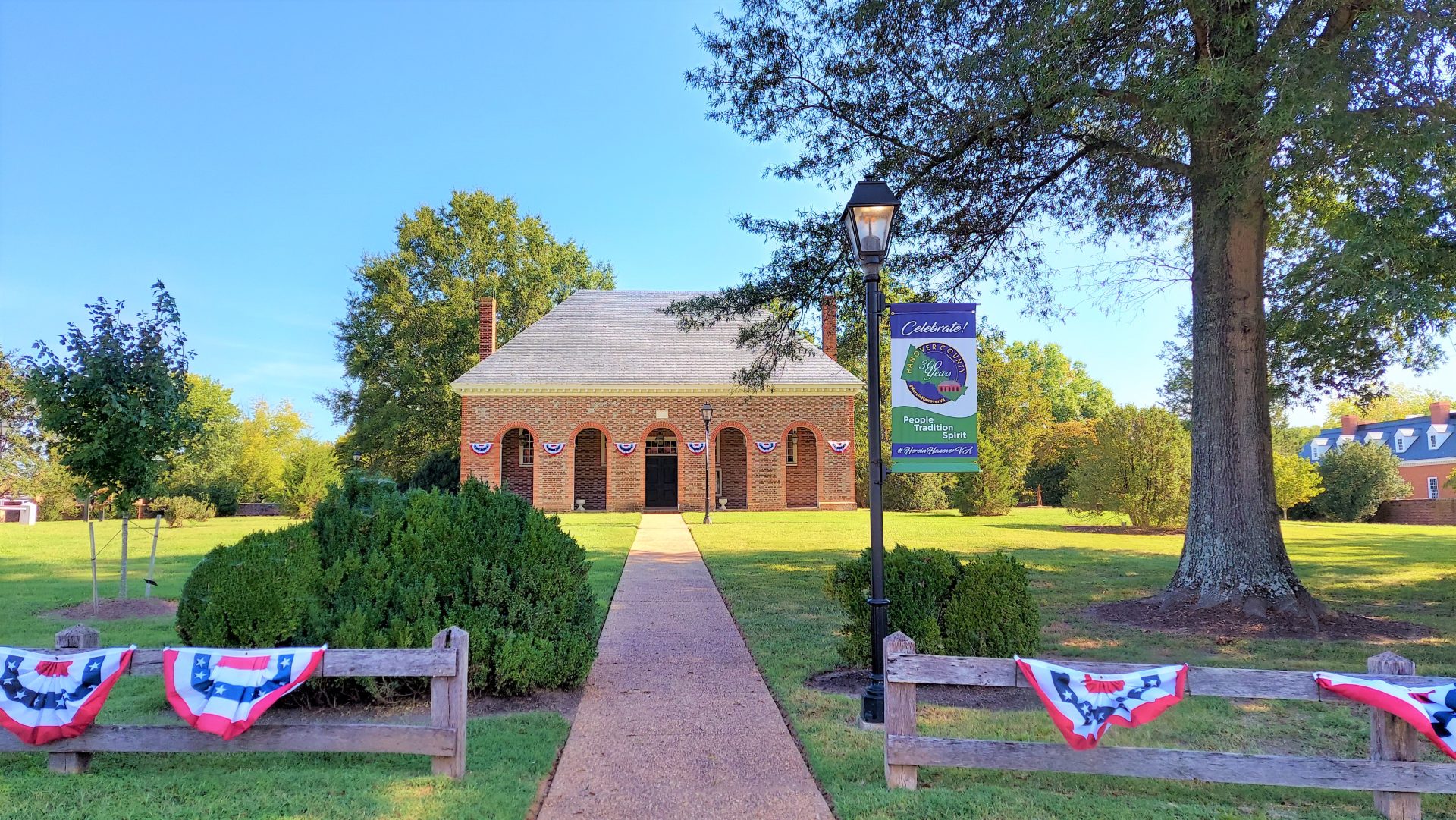
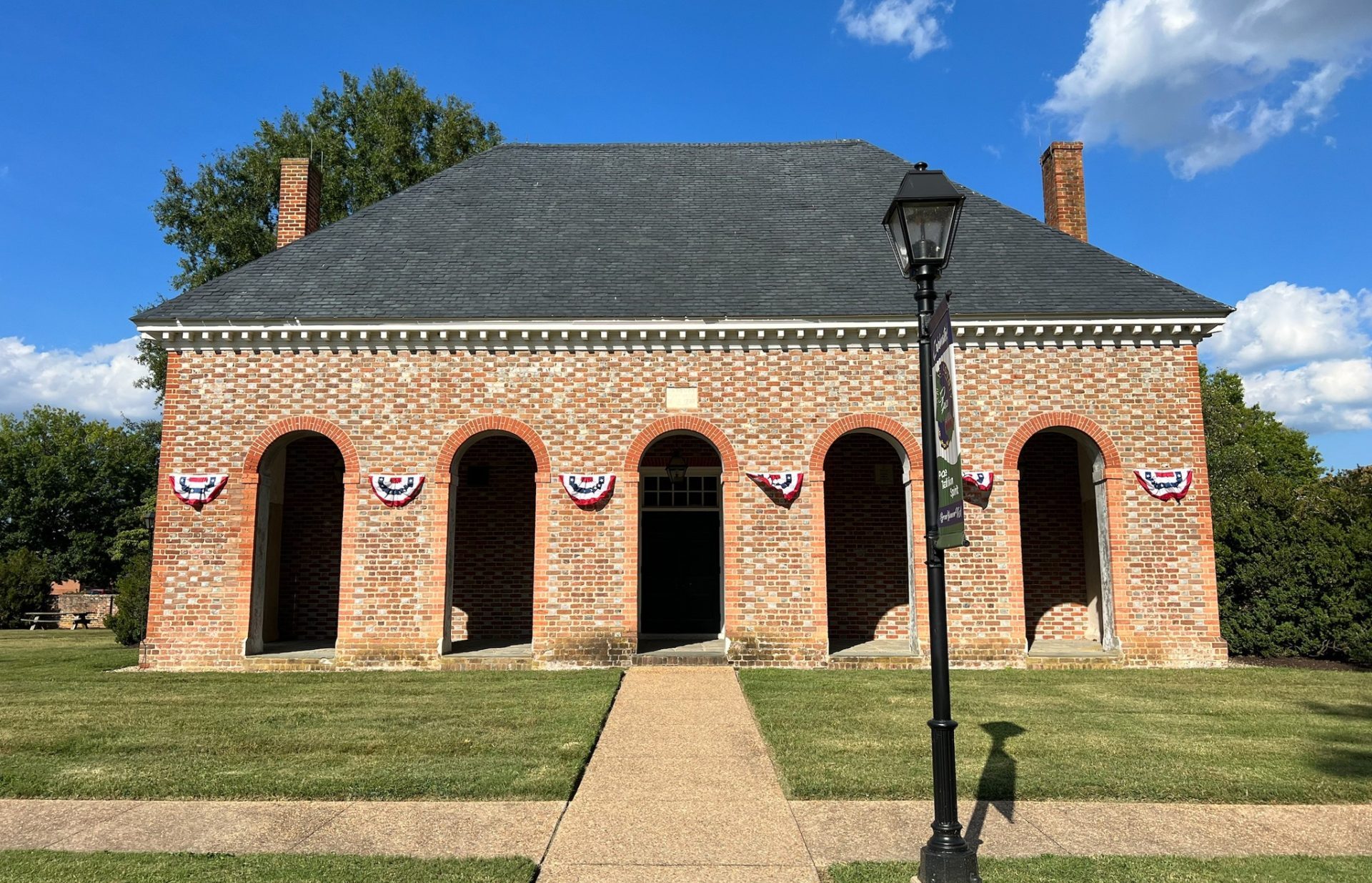
The Historic Hanover Courthouse is one of the oldest courthouses in continuous use in the United States, dating back to the early 1740s and designated a National Historic Landmark for its architectural and historical significance.
It is famously known as the site where Patrick Henry argued the influential Parson’s Cause case in 1763, helping to shape the early conversation leading to the American Revolution.
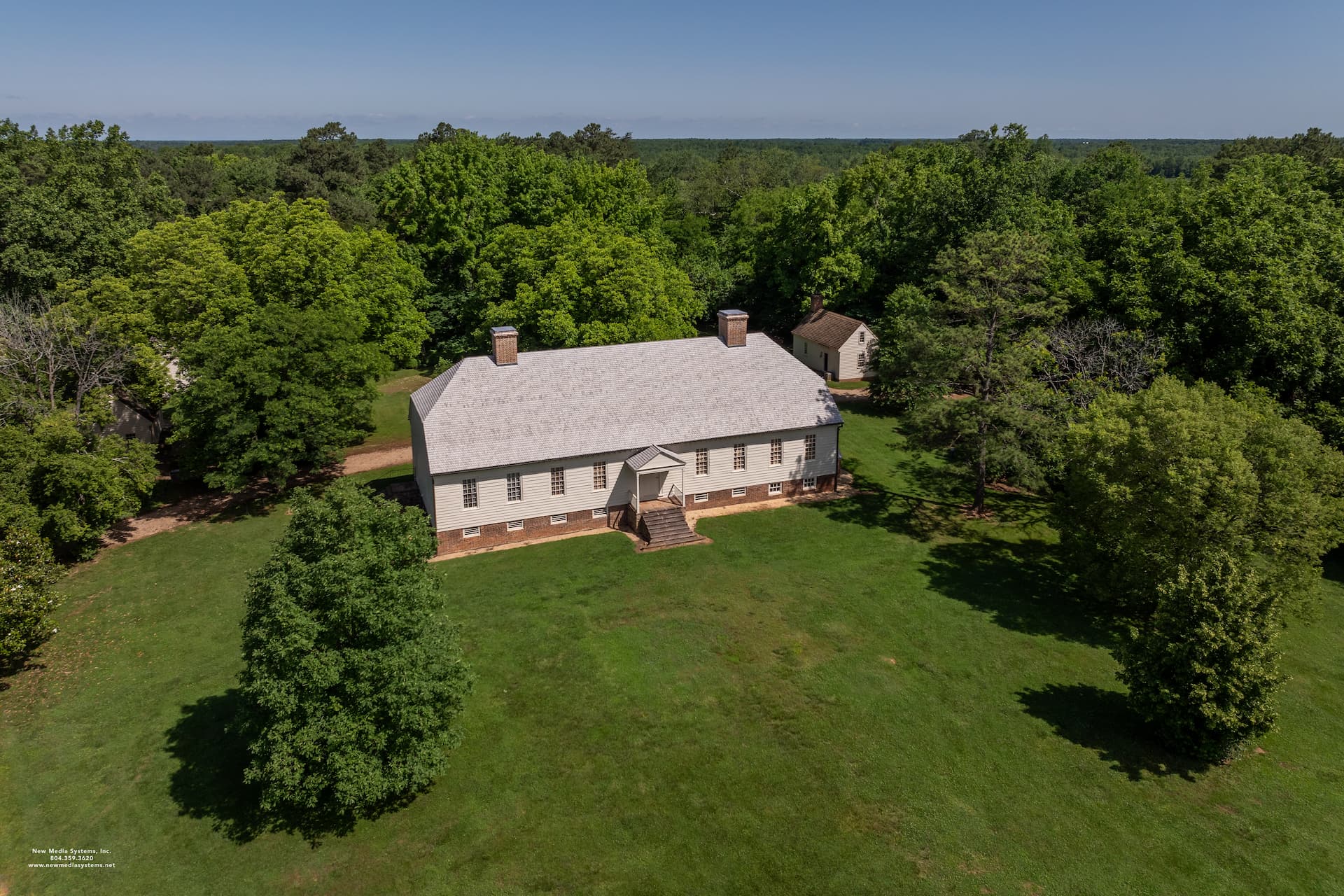
Scotchtown, Patrick Henry’s family home, has been preserved and is now a popular tourist destination.
Patrick Henry’s Scotchtown is the only surviving home of the Revolutionary leader and Virginia’s first non‑royal governor. Henry lived here from 1771 to 1778, shaping the ideas that fueled his famous “Give me liberty, or give me death!” speech. The restored 18th‑century plantation, with its historic house, outbuildings, and gardens, offers visitors a glimpse into Henry’s life and America’s colonial history.
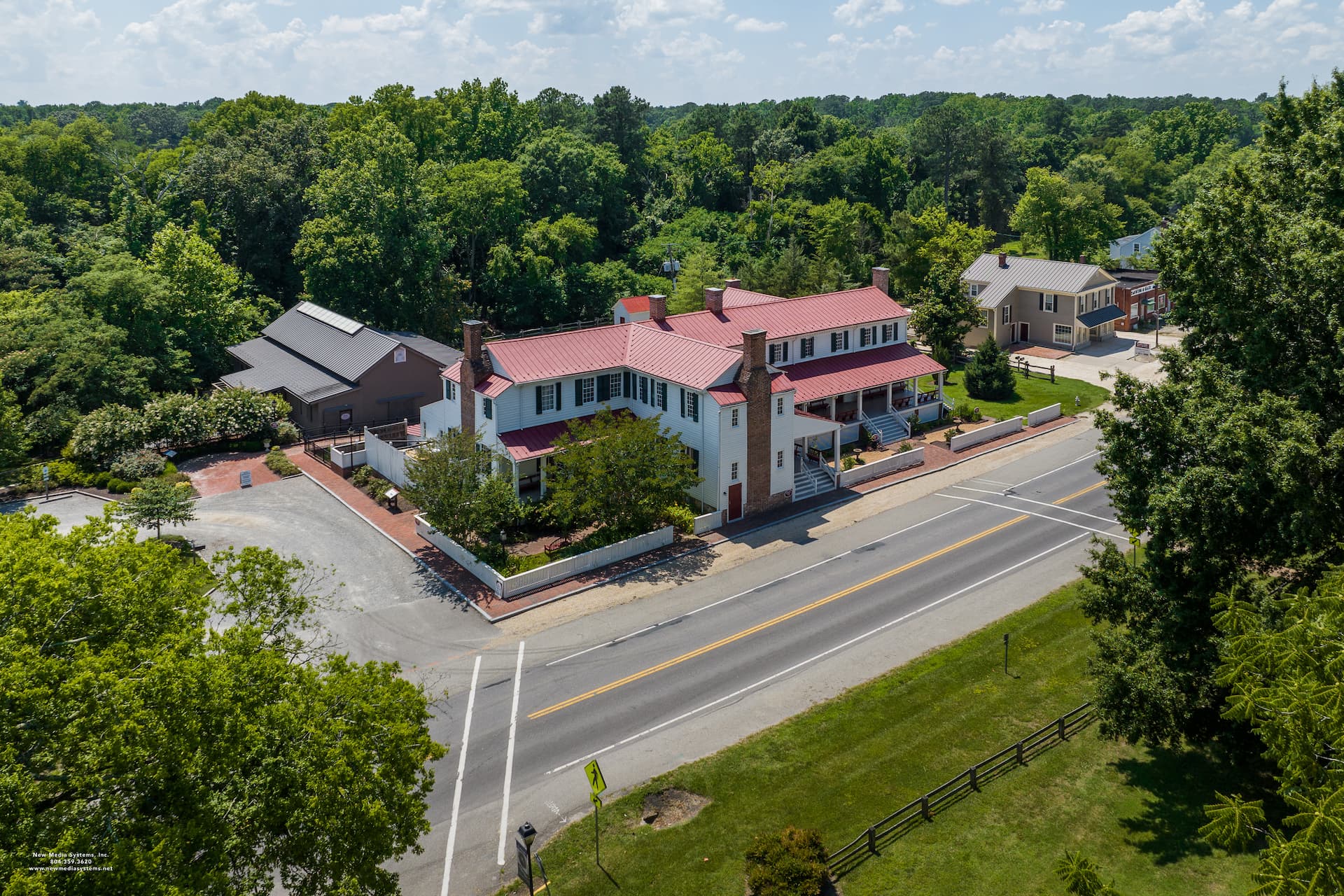
Hanover Tavern is one of the nation’s oldest continuously operating taverns, dating back to the 18th century when it served travelers along the post road between Richmond and the Northern colonies.
Over the centuries, it has hosted officers during the Revolutionary and Civil Wars and has become a social and cultural hub for the region. Carefully preserved and restored, Hanover Tavern remains open today as a vibrant destination featuring dining, events, and performances, allowing visitors to experience both its rich past and its ongoing role in community life.

Historic Polegreen Church marks a pivotal chapter in America’s early struggle for religious freedom.
Established in the 1740s as one of the first non‑Anglican meeting houses legally permitted in the colony, it was the base for Presbyterian dissenters and the influential Rev. Samuel Davies, whose preaching helped shape ideas of tolerance and inspired young Patrick Henry’s oratory. The original church was destroyed during the Civil War. Today, an open‑air steel outline on the original site with interpretive signage preserves its legacy.